Insights for running operations
Practical notes for the everyday work of running a business, not once-a-year tax reminders. Regulations and operations, written in an operator's language.
Three Questions to Ask Before Calling It a Business Write-Off
A receipt and a business benefit do not automatically make an expense deductible. Use this practical workflow to separate personal spending from supportable business costs and keep records that hold up.

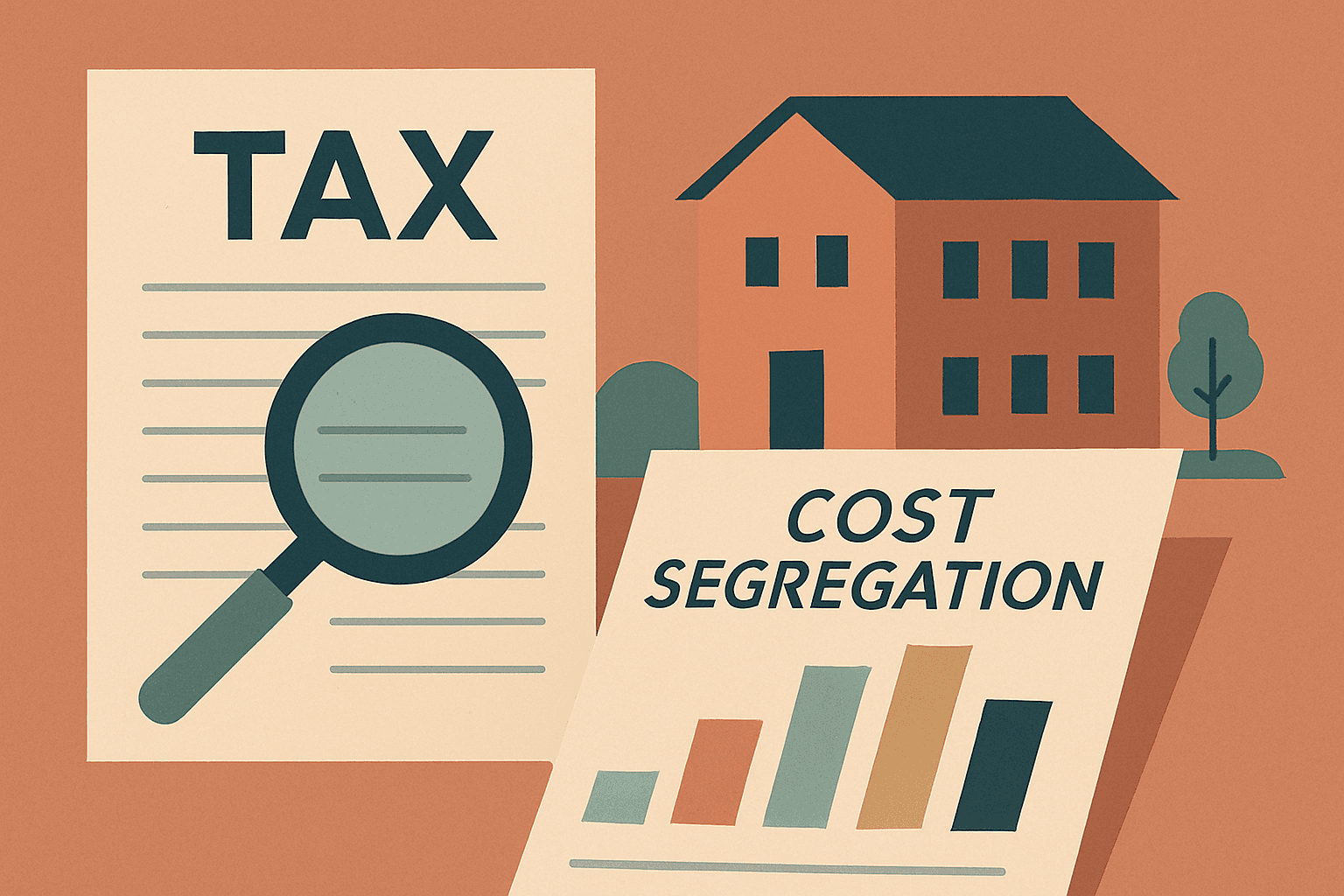
With Cost Segregation, Documentation Comes Before the Deduction
Cost segregation can accelerate depreciation on real estate, but a large number on a report is not the same as a supportable tax position. Start with asset-level records, source documents, and the filing method.
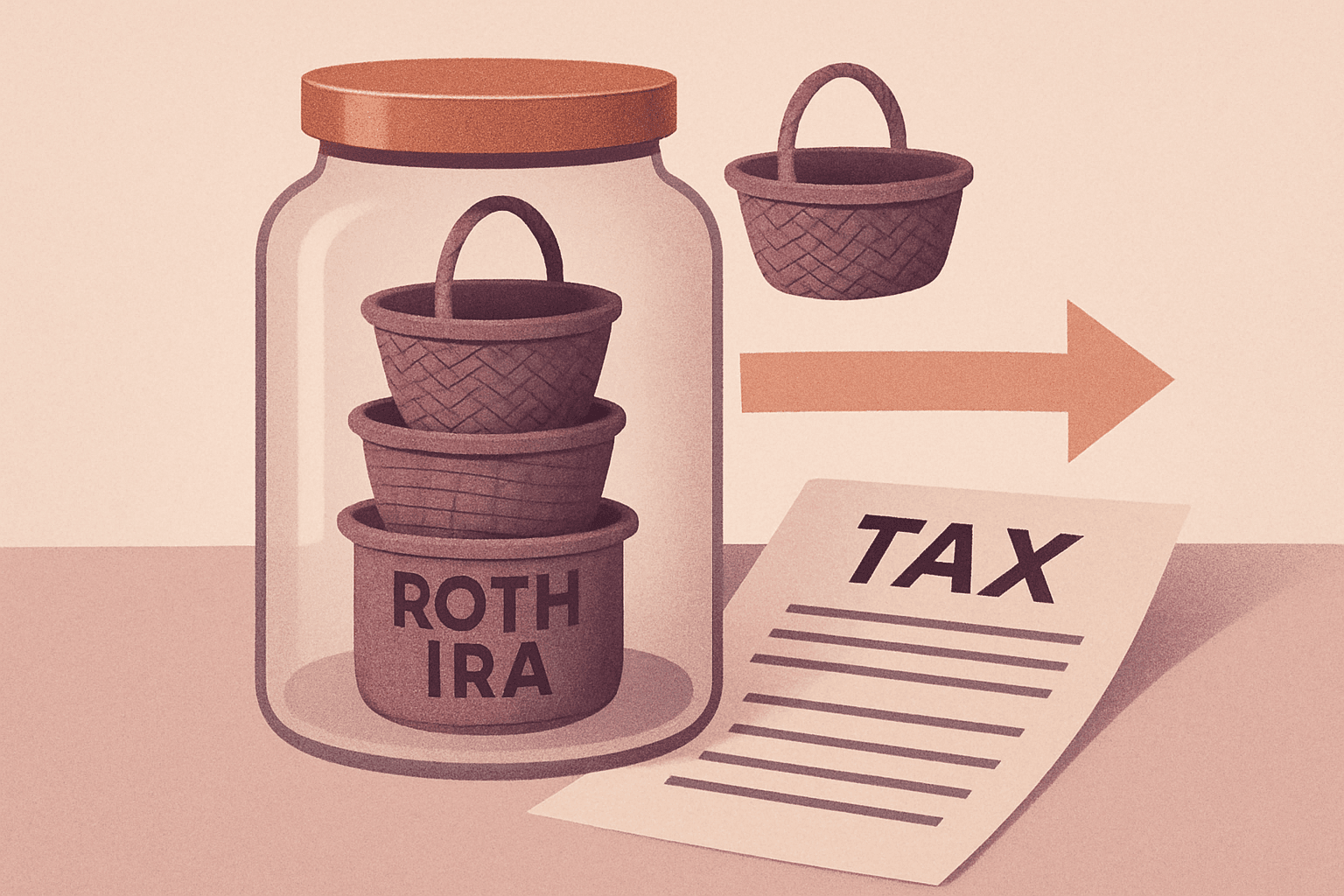
Your Roth IRA Is Not Fully Locked Up: Three Buckets Business Owners Need to Know
A Roth IRA is not automatically untouchable until age 59½. But direct contributions, conversion dollars, and investment earnings follow different tax rules, so a cash-flow decision should start with identifying which dollars you actually have.
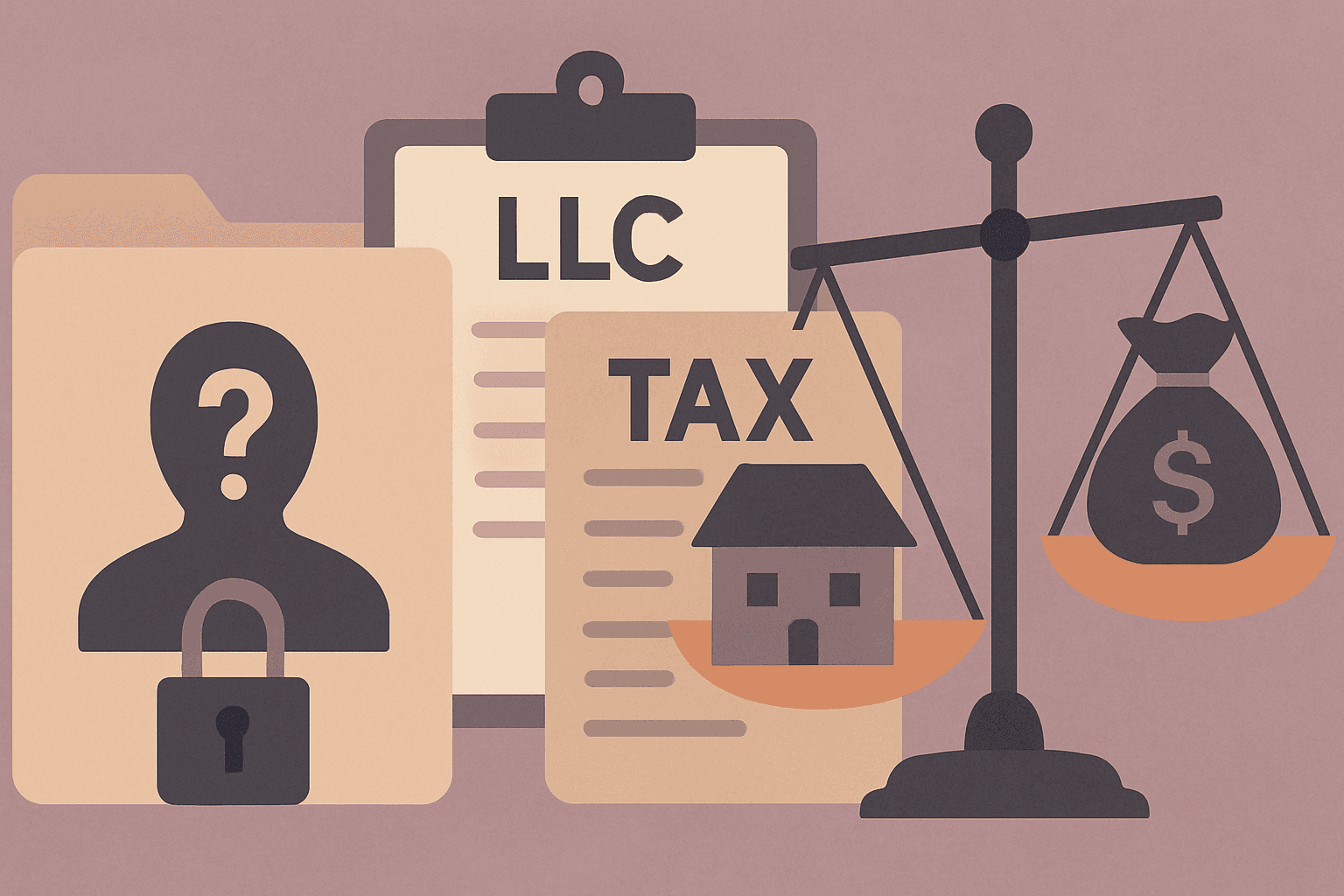
LLC Privacy Is Not a Tax Strategy—It Is an Operating Discipline
Reducing personal information in LLC public records may be possible, but it does not remove IRS reporting, bank verification, or tax obligations. A sound structure starts by separating business risk, assets, and bookkeeping.

Four Money Buckets for Small-Business Owners: Taxes, Operations, Reserves, and Growth
When every dollar flows through one account, a healthy sales month can still turn into a tax or payroll surprise. Before choosing investments, separate money by its job and build a monthly routine around real business obligations.

Charitable Giving in 2026: Don’t Miss the Deduction if You Take the Standard Deduction
Starting in 2026, many taxpayers who use the standard deduction can still claim a separate deduction for qualifying cash gifts. The right result depends on your filing status, gift type, records, and whether itemizing actually beats the standard deduction.

Trump Accounts: What Every Business-Owner Parent Should Know
An IRS-based guide to Form 4547, the $1,000 pilot contribution, contribution limits, employer rules, and what changes after the growth period.

Leaving Your Home to Your Kids Without the Tax Surprise
The easiest way to pass down your house — adding your kids to the deed — is often the most expensive mistake. Here's how to avoid gift tax, capital gains, and family fights all at once.

When and How Should Your Kids Inherit? An Owner's Guide to Legacy
A larger inheritance later or a smaller gift now—which actually changes your child's life? A practical legacy-planning guide for immigrant and small-business families.

Putting Your Kids on Payroll: A Practical Tax Guide for Owners
Paying for music lessons, sports, and school clothes with after-tax dollars? If your kids do real work for the business, you can legally turn part of that spending into a deductible payroll expense. Here's how it works for under-18 and adult children.

Cost Segregation: When It Saves You Money and When It Doesn't
If you own rental property, accelerating depreciation can slash your first-year taxes. But it's not a win for everyone. Here's when it pays off and when it's just a wasted fee.

The Fed and Your Shop: Turning Rate Headlines Into Cash Flow
When the Fed changes how it fights inflation, it eventually shows up in your loan payments, your customers' wallets, and your bank balance. Here are the numbers an owner actually needs to watch.

5 Money Details Business Owners Should Keep to Themselves
Your real sales, your tax refund, your payroll numbers — a casual answer can come back through customers, employees, even an audit. Here are five things to keep close.

Reading the 2025 IRS Numbers: What Small Owners Should Do Now
Even with a smaller staff, the IRS is catching missing and mismatched returns through automation. Alongside new deductions for tips and overtime, here's a practical checklist for owners this year.

The IRS Runs Two Tax Systems — Which One Are You In?
Under the same tax code, an employee's dollar and an owner's dollar are taxed completely differently. What separates them isn't income — it's information.

Your HSA Isn't a Medical Account — It's a Retirement Account
Most owners treat an HSA as the account they tap for doctor visits. But if you simply save your receipts, it becomes one of the most powerful tax-free retirement tools in the U.S.

Operational Wellness: A Healthy Way to Run a Business
Flagship Program

Korean and English, One Operating System
The Kwon CPA portal supports both Korean and English. Owners, teams, and advisors can work in the language that fits them while sharing the same records, status, and back-office flow.

The Monthly Operating Rhythm
Review → Plan → Operate → Improve → Repeat. Not a CPA you meet only at tax season, but a partner who moves with you every month.

Read Your Numbers Every Month — In 30 Minutes
Don't wait for the year-end close. Thirty minutes every month tells you where your shop is heading. A simple weekly check for cafe and laundromat owners.

Payroll After OBBBA: More Deductions, Easier Audits
OBBBA's tips and overtime rules did not eliminate payroll tax. In an era where the IRS and state agencies can compare payroll data more easily, hours, tips, withholding, and state payroll records need to be cleaner.

Sales Tax for Food Businesses: What Taxpayers Need to Know
Sales tax is not revenue. It is tax collected from customers and remitted to state and local agencies. Here is what food-business taxpayers need to know about permits, POS settings, taxable sales, records, and filing deadlines.